

March Birthstones: Aquamarine and Bloodstone
Aquamarine
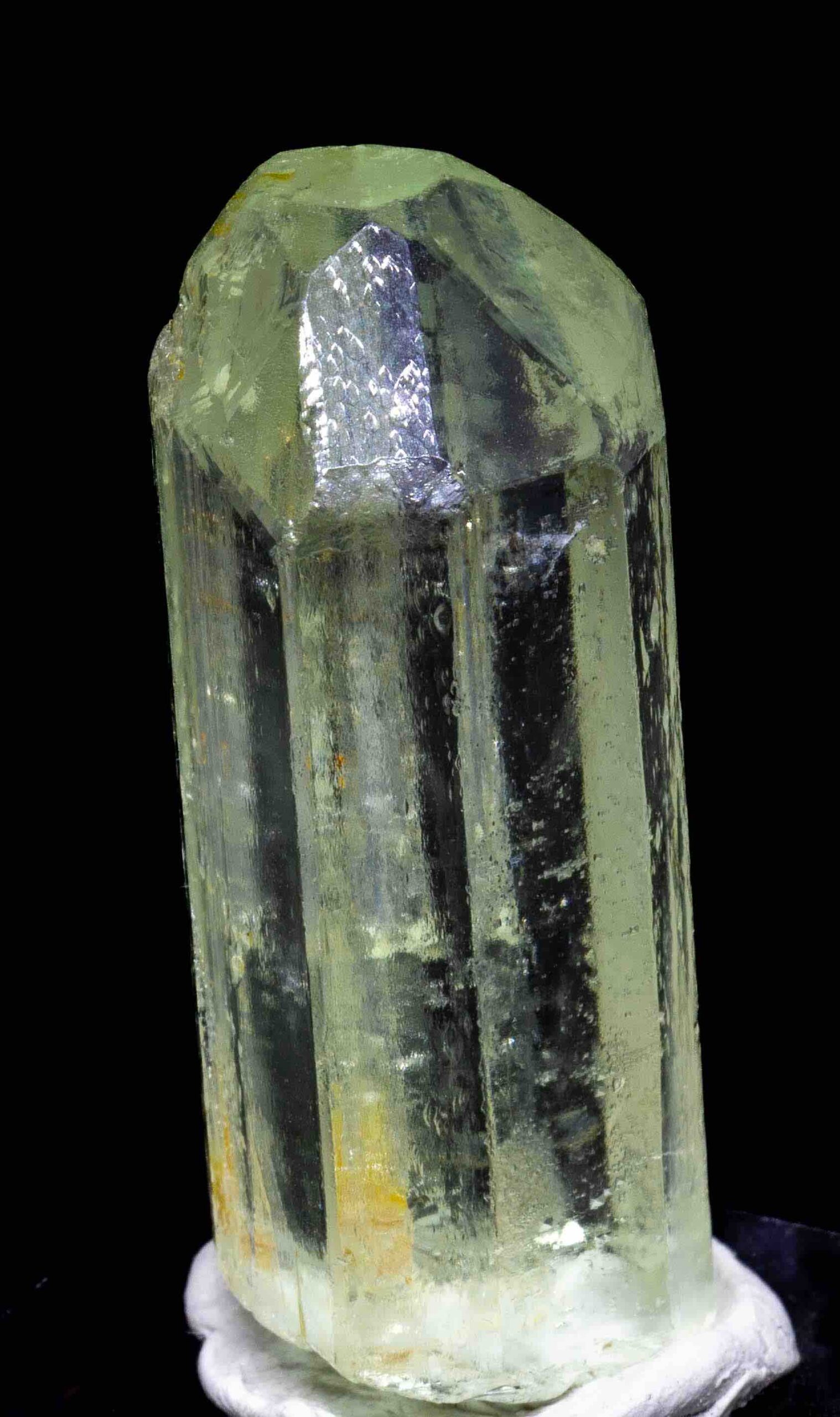
Photos by Steve Blyskal
other photos with attribution
This lovely blue stone is named for the Latin phrase “aqua marinus” or water-of-the-sea. In the metaphysical community, it is believed to promote feelings of peace, trust, happiness and of course, beauty. Traditionally, they were carried by sailors for protection while at sea, by the suspicious to guard against poisoning and litigation, and by soldiers to protect them in battle.
Today aquamarines have become popular as engagement rings.
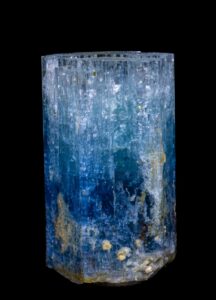
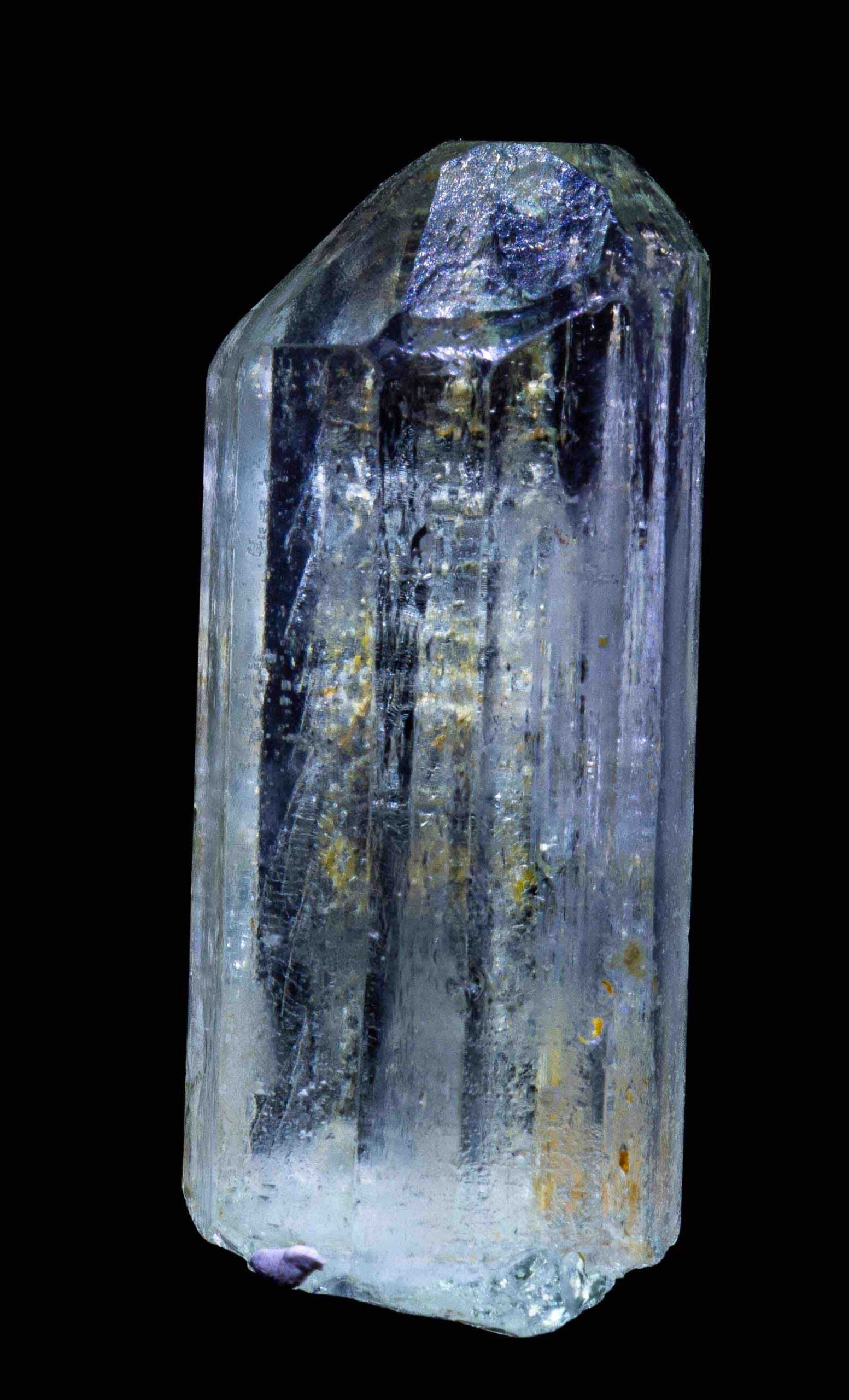
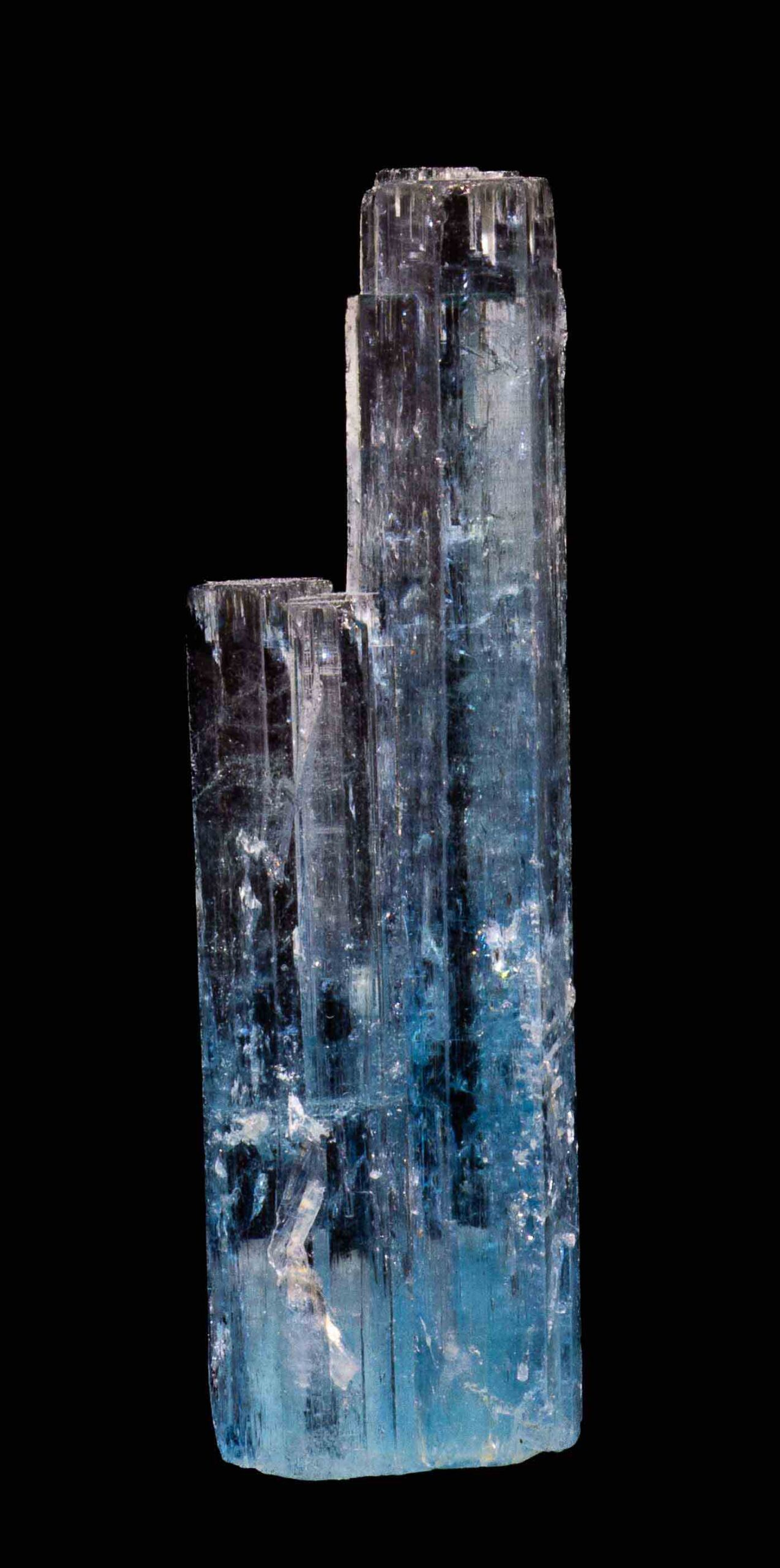
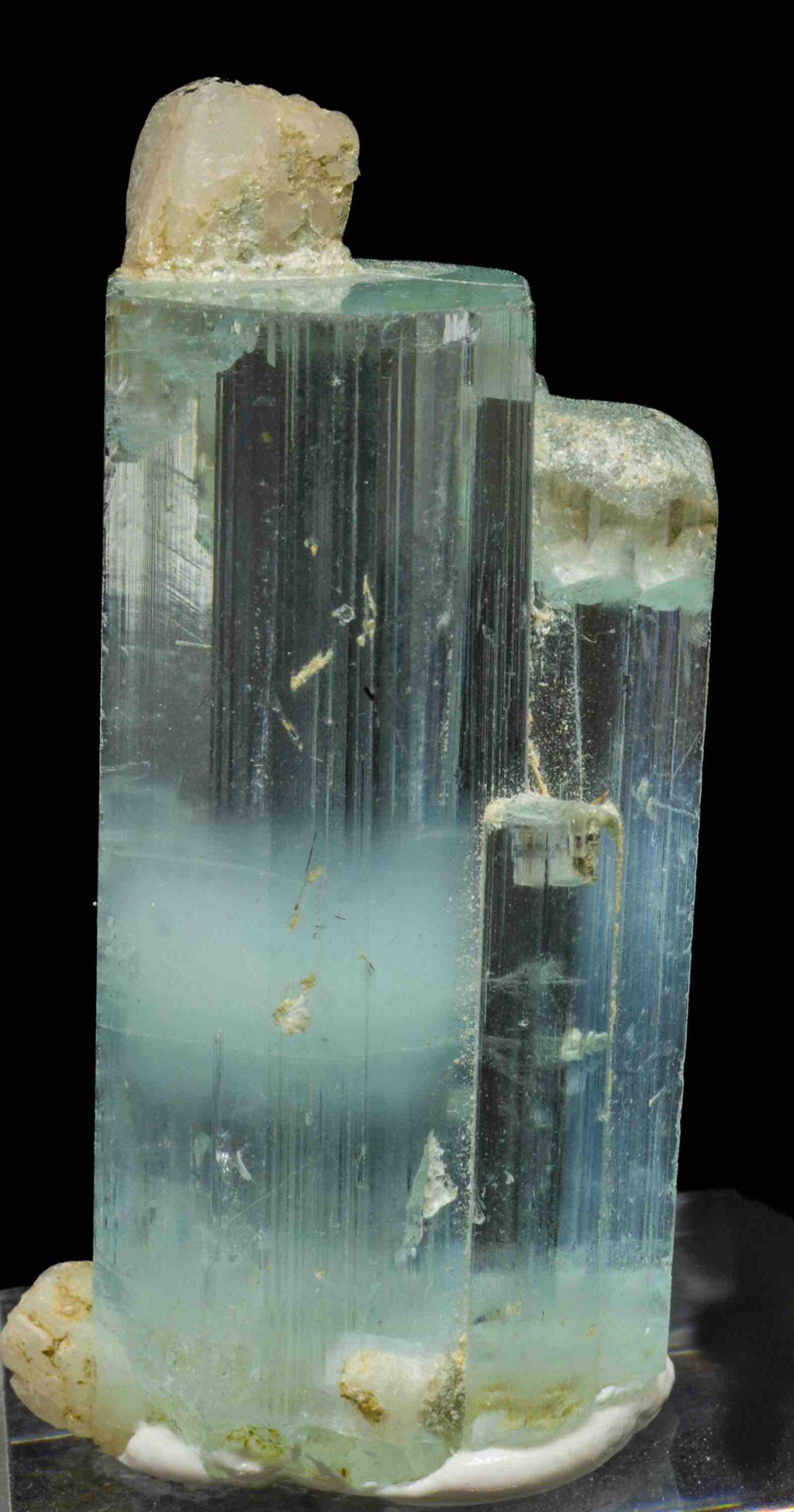
To minerologists, aquamarines are a species of beryl, as is the May birthstone emerald. The chemical formula is Be3Al2Si6O18 but may also contain Fe2+. A rare deep blue variant is called maxixe and that color is due to NO3 but may also be produced in lower-quality beryl by high-energy irradiation. Both stones are of hardness 7.5 to 8 on the Mohs scale, harder than quartz but perhaps softer than topaz. Aquamarine occurs in a variety of blue green to light blue shades, (which may be enhanced by heat treatment), and the best quality stones are transparent.
The largest cut aquamarine is the Dom Pedro, exhibited in the Smithsonian Museum and weighing 10,363 carats (4.6 pounds). It is cut in an obelisk shape with negative cuts into the reverse faces of the magnificent gem to scatter light within the stone and is named for the first emperor of Brazil. Read more about the stone’s discovery in Minas Gerais, provenance and fabrication at http://smithsonianscience.org/2012/12/dom-pedro-aquamarine-to-go-on-view-at-the-smithsonians-natural-history-museum/.
Another stunning aquamarine from Minas Gerais is the Elanor Roosevelt gem exhibited in the Franklin D. Roosevelt Museum. It was a gift from the then-President of Brazil, President Getúlio Vargas, when FDR visited South America on a “Good Neighbor” cruise after his second election. See more on this history at https://fdr.blogs.archives.gov/2012/11/27/from-the-museum-45/.
Photographs of both of these fabulous gemstones can be seen at https://www.gemsociety.org/article/famous-aquamarines/.
Important sources of aquamarine are:
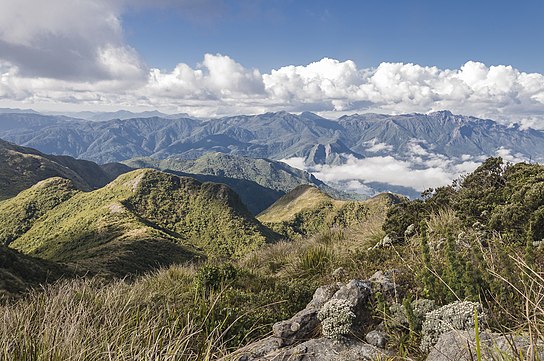
- The eastern half of Minas Gerais, a state of Brazil, where they may be found in igneous rock and weathered pegmatites.
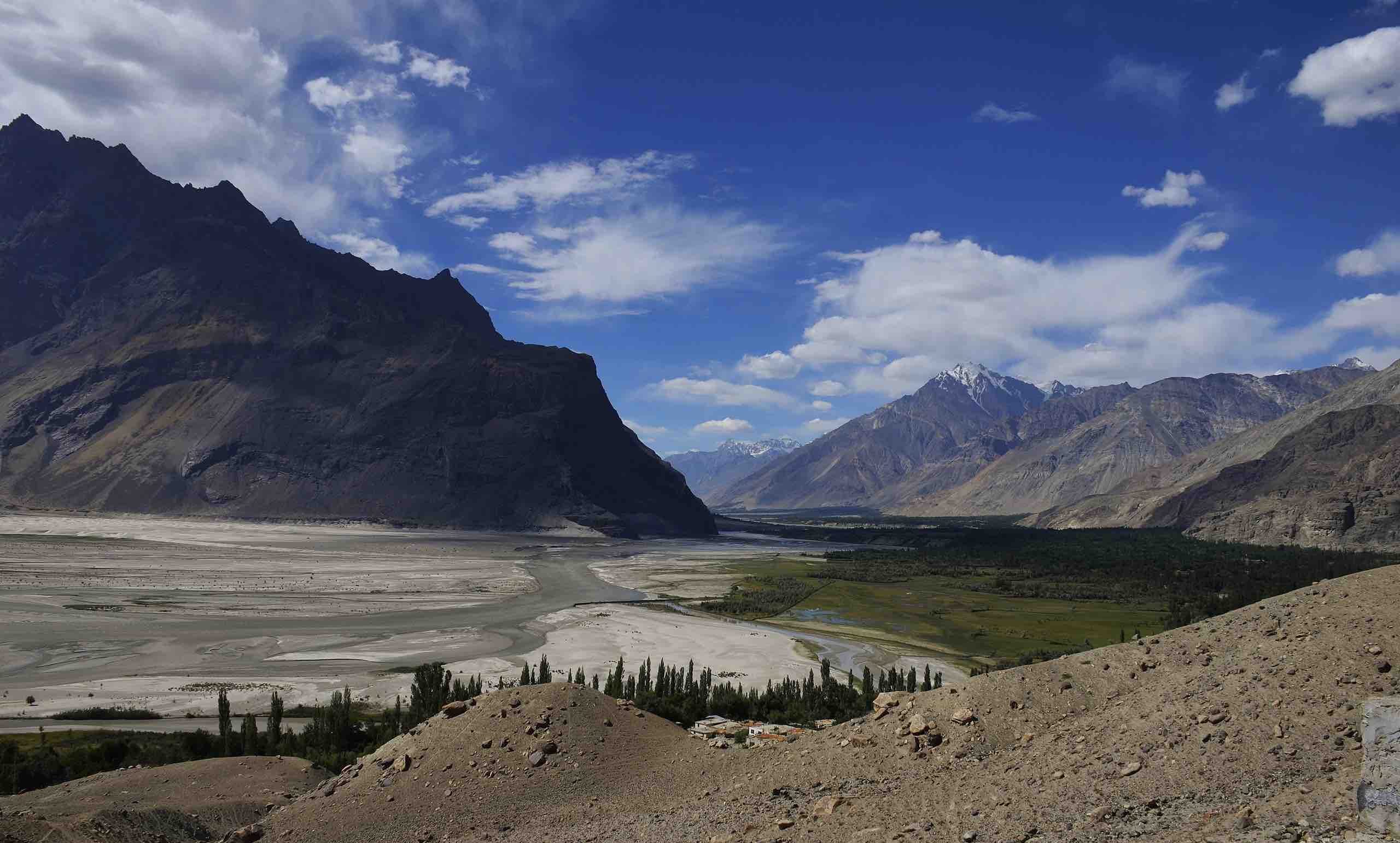
- At high altitudes in Pakistan’s Karakorum foothills, especially the Shigar Valley. Gorgeous water-clear stones are mined there.
- The African countries of Kenya, Madagascar, Mozambique, Namibia, Nigeria, and Zambia.
- China, Myanmar, Russia and Ukraine.
- Mount Antero, Colorado (where it is the state gemstone) and the California counties of Riverside and San Diego, where the Oceanview mine has a fee mining operation.
References:
https://www.zales.com/birthstone-jewelry/march-aquamarine-birthstone
https://en.wikipedia.org/wiki/Aquamarine
https://www.gemsociety.org/article/famous-aquamarines/
Mantiqueria Mountains photograph, Silvio serrano – Own work, CC BY-SA 4.0
Shigar Valley photograph: By Raja Munawar – Own work, CC BY-SA 3.0, https://commons.wikimedia.org/w/index.php?curid=40588484
Bloodstone
Photo by Steve Blyskal
The other March birthstone is Bloodstone, which is basically a jasper (opaque) or chalcedony (transparent) with inclusions of iron oxide. Traditionally, bloodstone’s patterns of green jasper speckled with red hematite inclusions were thought to represent the blood of Christ. Bloodstone was also called heliotrope, a word taken from Greek meaning “to turn the sun”, in the belief that placing the stone in water could turn the sun red. Some athletes view bloodstone as a lucky charm to increase their strength, and others as promoting health and youth. Over ninety engraved stones are known from the days of the Roman Empire. Roman soldiers wore it to reduce blood loss if wounded. Magicians once touted bloodstone as a stone of invisibility.
Most bloodstone is found in India, but it may also be found in Australia, Brazil, China, and the United States, where it can be found filling cavities and fractures in agate-like fashion.
References:
https://en.wikipedia.org/wiki/Heliotrope_(mineral)

I am text block. Click edit button to change this text. Lorem ipsum dolor sit amet, consectetur adipiscing elit. Ut elit tellus, luctus nec ullamcorper mattis, pulvinar dapibus leo.