Gemstones and Faceting Section

Cutting gemstones one facet at a time!

Our section studies gemology, gemstone origins, properties, characteristics, and identification techniques, with our primarily focus on the art of facet cutting gemstones. Our section welcomes all levels of members, from those who have an interest in gemstones alone, to those who want to try faceting for the first time, and long time active cutters who want to improve or share their knowledge.

Randy Carlson – Chairman
John Lee – Assistant Chairman
Vacant  – Board of Directors, G&F Section Representative


Contact us at Faceting@hgms.org

Section Meetings are Hybrid, meaning we meet in person at the clubhouse and via Zoom
Join us at our next meeting every Third Thursday at 6:00pm – 8:00pm
 

Click here for even more links to browse

The GIA (Gemological Institute of America) is offering free online classes on three subjects:
Diamonds: https://www.gia.edu/gem-education/course-diamond-essential
Colored Gemstones: https://www.gia.edu/gem-education/course-color-gem-essential
Jewelry: https://www.gia.edu/gem-education/course-jewelry-essential

Rubies on sapphire: Recipe for making crystals in flux
https://phys.org/news/2020-05-rubies-sapphire-recipe-crystals-flux.html

From the International Gem Society, on common gemstone treatments:
https://www.gemsociety.org/article/understanding-gem-synthetics-treatments-imitations-part-5-identifying-gemstone-treatments/

Documentary on mining Aquamarine in Pakistan
https://youtu.be/gNdnP4-EvIk

Many Gemstones Today are “Treated” – Some Details below!
An Introduction to Gem Treatments from GIA
https://www.gia.edu/gem-treatment

Gemstone Treatments | Jewelers of America
https://www.jewelers.org/education/gemstone-guide/gemstone-treatments

Jewellery’s Naughty Little Secret: Treated Gemstones
https://www.businessoffashion.com/articles/intelligence/jewellerys-naughty-little-secret-treated-gemstones

History of American Gem Cutting by Justin K Prim (2 hours)
https://youtu.be/TsNWYZxZwTQ

Art of Gem Carving by the Getty Museum
https://youtu.be/xgTpGASqrKY

Handcut Inlay DIY
https://www.instructables.com/id/Handcut-inlay/

Here’s one on beginning faceting by a guy who cuts fabulous stones
Faceting 101 Chapter 1 Introduction: Faceting Machine

Sotheby’s to Offer A Highly Important 102.39-Carat Perfect Diamond with ‘No Reserve’ this October:
https://www.sothebys.com/en/press/sothebys-to-offer-a-highly-important-102-39-carat-perfect-diamond-with-no-reserve-this-october

Flawless 102-carat diamond a ‘bargain’ at $16m
https://www.bbc.com/news/world-asia-54424327

More Info About Faceting

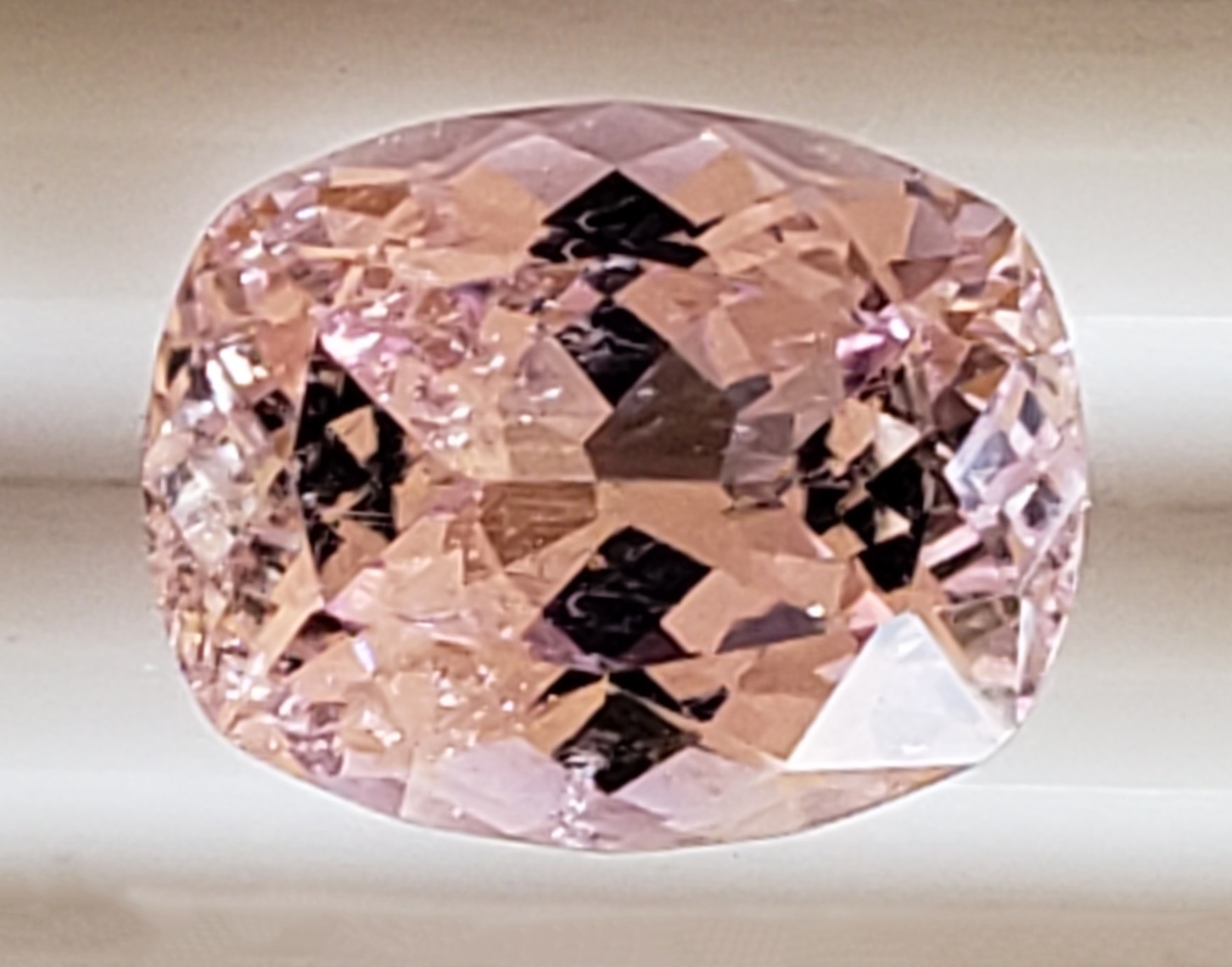
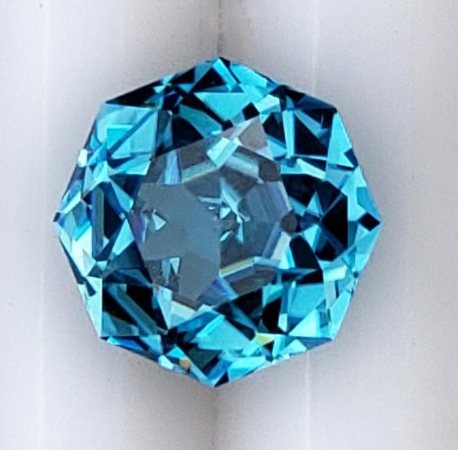
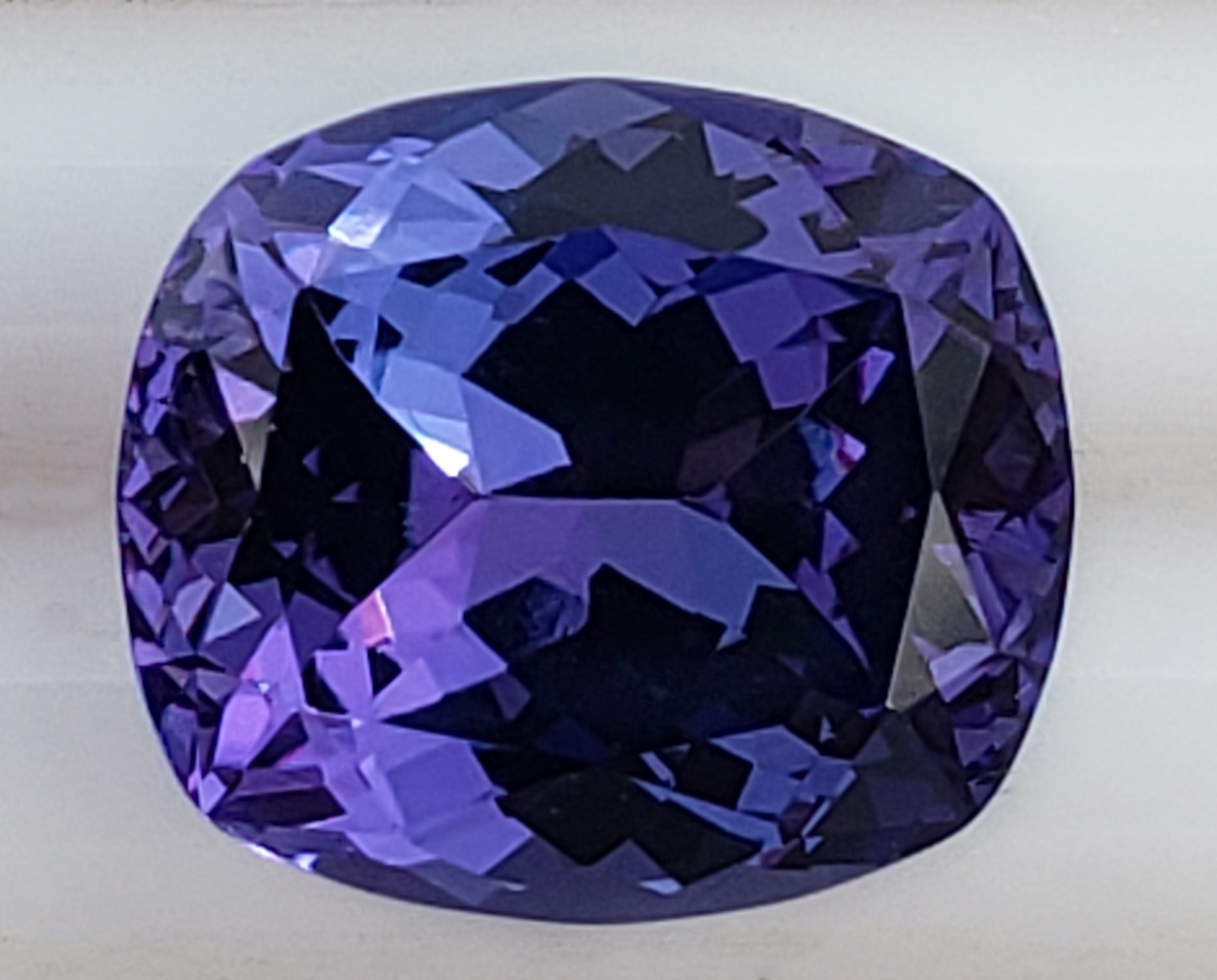
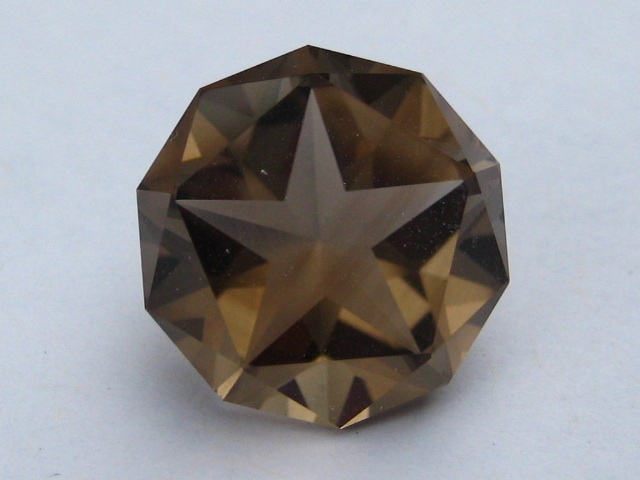
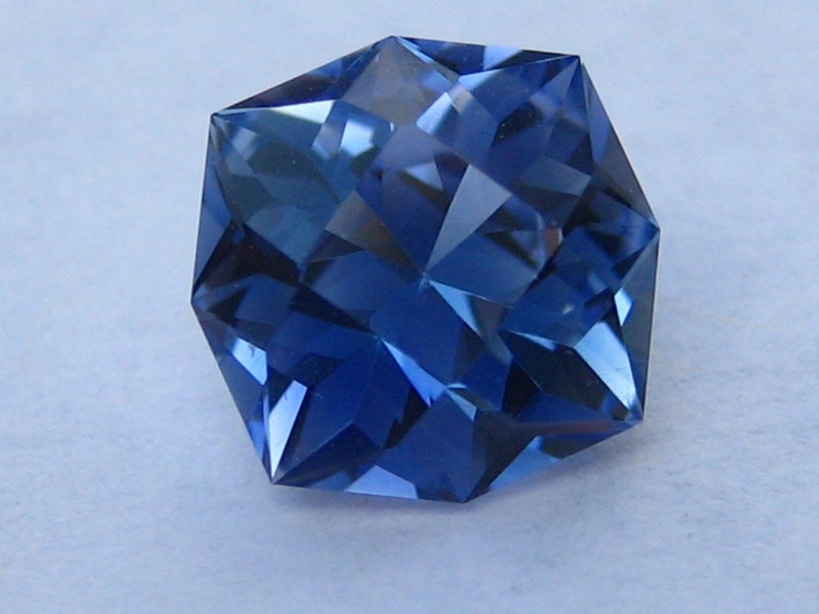
Faceting is a fascinating process that involves cutting and polishing the flat surfaces (known as facets) of a gemstone. By creating these facets, gem cutters enhance the gemstone’s natural beauty, giving it a three-dimensional, sparkly appearance. The arrangement and precision of these facets significantly impact the overall visual appeal of the finished gemstone. Gemstones are commonly faceted to allow them to reflect light beautifully, showcasing their brilliance and fire 12.

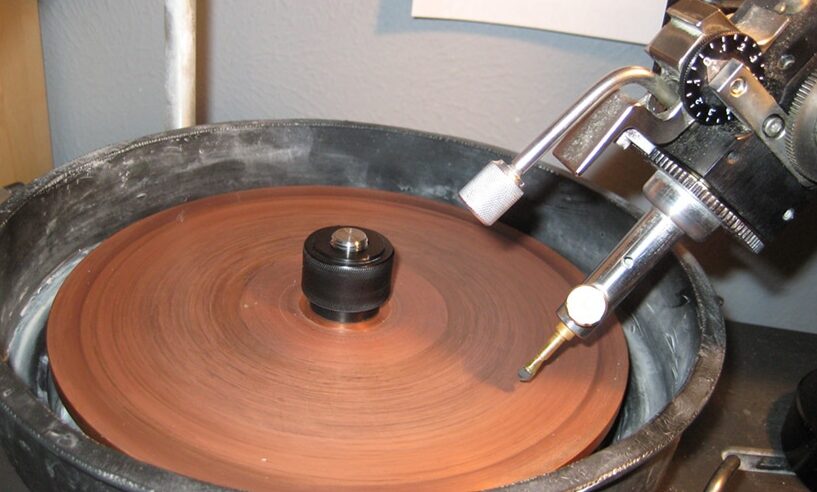
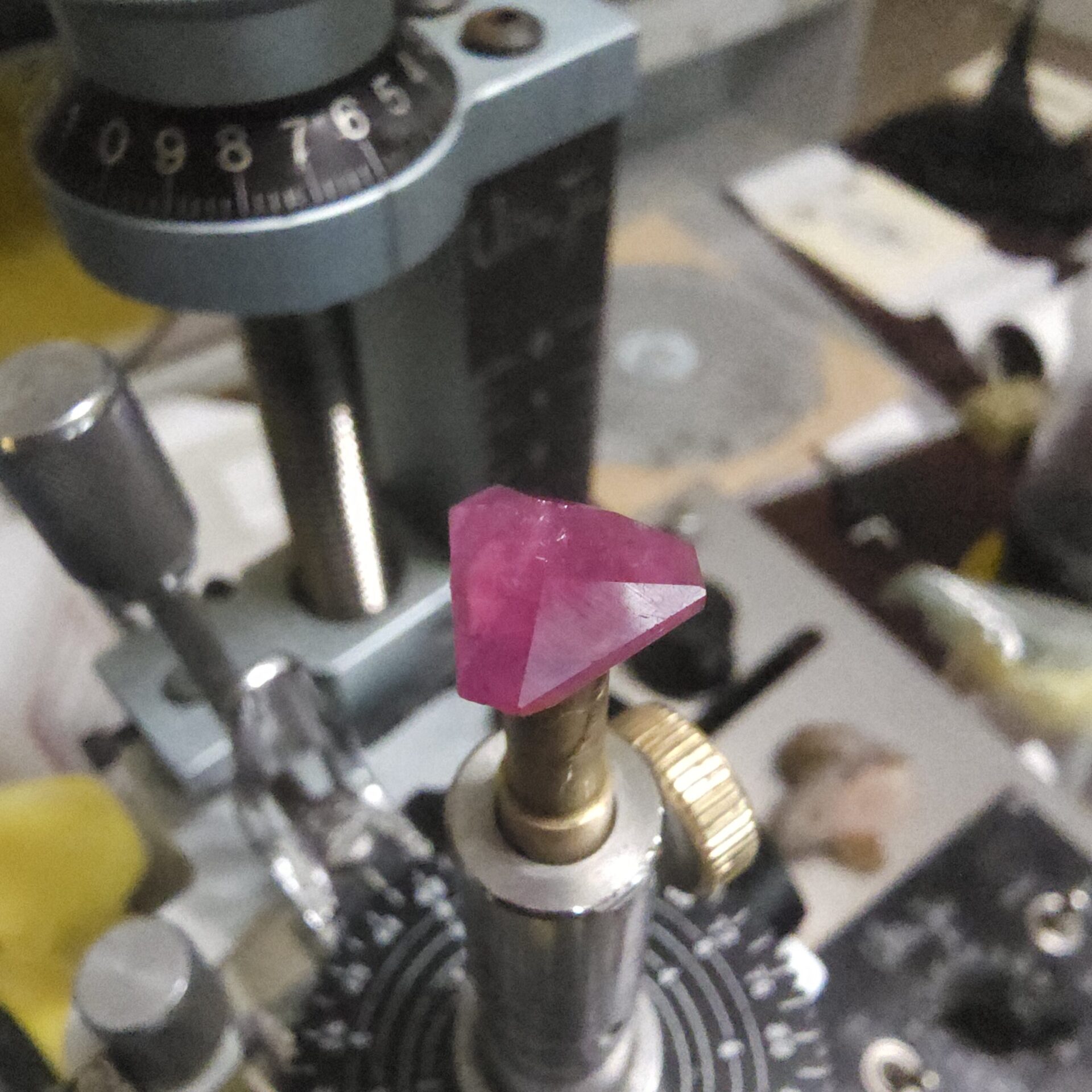
In the world of gem cutting, faceting machines play a crucial role. These machines are marvels of modern engineering, designed to assist gem cutters in achieving precise angles and proportions for each facet. Let’s delve into some essential aspects of faceting machines:

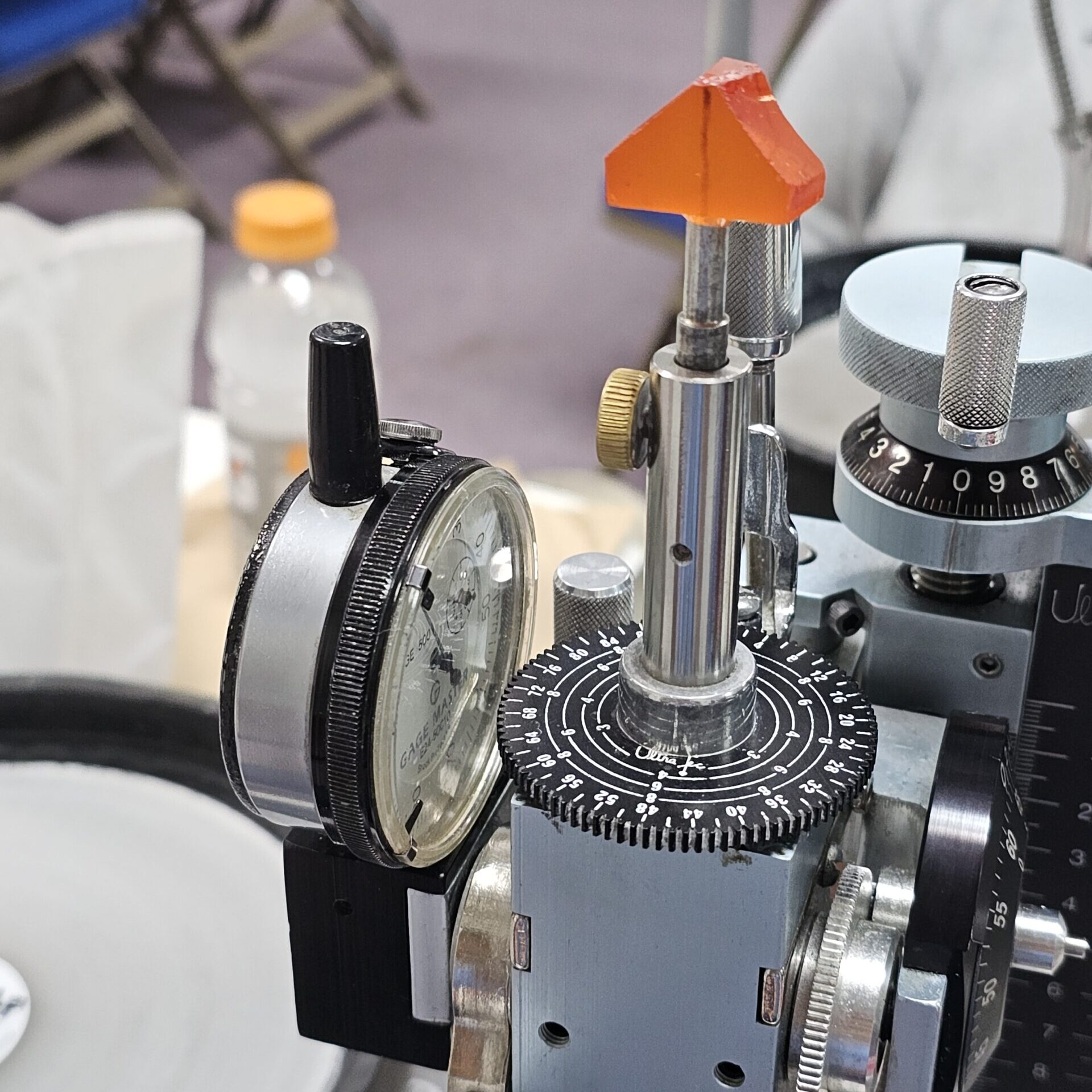
  1. Quill and Alignment Tool: The quill, also known as the “dop arm,” holds the mounted dop stick. It’s connected to the index wheel, which has alignment notches. Alignment tools aid in aligning facets between the crown and pavilion, ensuring perfect realignment during the cutting or polishing process.
  2. Index Wheel and Cheater: The index wheel, a large toothed gear, comes with different indices (such as 96 and 46). Faceting machines allow you to interchange these indices easily. The index wheel can turn 360° for rounding. The “cheater” feature permits small adjustments left or right of the main setting, accommodating minor errors in cutting or polishing 3.

Remember, no matter how advanced the faceting machine, the old adage still holds true: “Cut a little, look a lot.” Gem cutters rely on their eyes to achieve precision and beauty in every facet they create.

Faceting Vocabulary

  1. Geometry: A faceted gemstone typically has a symmetrical geometric shape with flat surfaces (facets) arranged around it. Common shapes include round brilliant, princess, emerald, oval, and pear.
  2. Facets: Each facet is meticulously cut and polished to specific angles. The facets interact with light, creating brilliancefire, and scintillation. Key facets include the table (top), crown facets (above the girdle), and pavilion facets (below the girdle).
  3. Girdle: The girdle is the gemstone’s widest part, separating the crown and pavilion. It defines the gem’s outline.
  4. Culet: The culet is the small facet at the gemstone’s bottom tip. In well-cut gemstones, it’s usually tiny or absent.
  5. Pavilion: The pavilion facets reflect light back through the crown, enhancing brilliance. Their angles are crucial for optimal light return.
  6. Crown: The crown facets are visible from the top. They contribute to the gem’s overall appearance and play a role in light dispersion.
  7. Table: The table facet is the largest and topmost facet. It’s the gem’s main window to the world.
  8. Depth and Proportions: Proper proportions ensure maximum light return. Too shallow or too deep cuts affect brilliance.
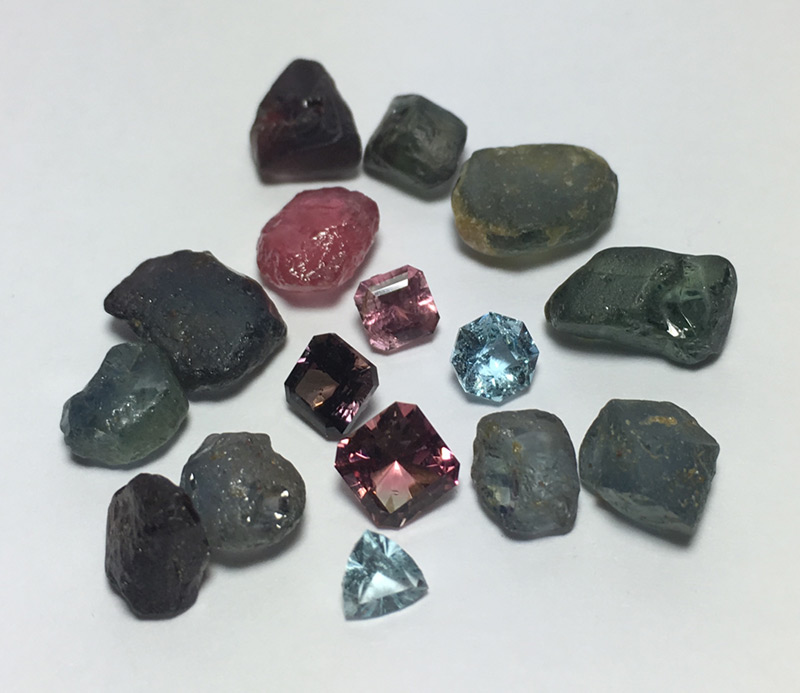
  9. Gem Material: Different gem materials (diamonds, sapphires, emeralds, etc.) have varying refractive indices, affecting how light interacts with facets.
  10. Inclusions: Natural gemstones may contain inclusions (internal flaws). Skilled cutters position facets to minimize their visibility.
  11. Polish and Symmetry: Excellent polish and precise symmetry enhance a gem’s beauty. Polish refers to the smoothness of facets, while symmetry ensures balanced proportions.
  12. Gemstone Varieties: Each gem type (diamond, ruby, etc.) has unique faceting considerations due to its properties.

Quartz Stress Rainbow Under Polariscope - GemID Class

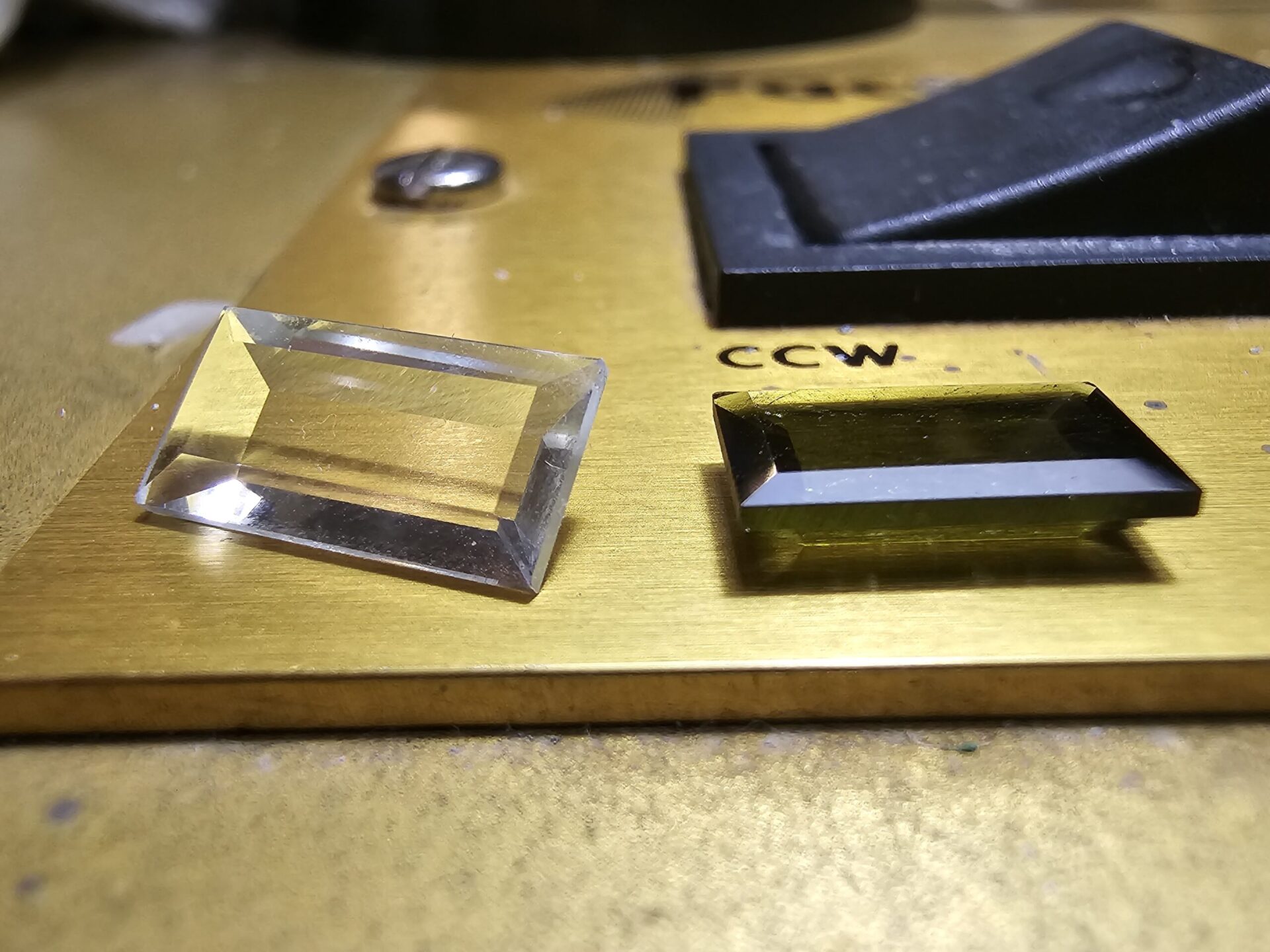
Natural Yellow Feldspar faceted by John Lee

Faceting Diagrams

We use programs like GemCutStudio and GemCad to design our stones.

You can also find archives of famous designs in places like FacetDiagrams.org


Gem Identification

We use several tools for GemID and have them available for use at the Clubhouse

Some of the tools we use include:
Specific gravity and Scales
Jeweler’s Loupe
Refractometer
Polariscope
Dichroscope
and More…

Faceting Machines

We use Ultratec V2 machines at the clubhouse and for training. Over time our section received the machines we use today by donations and are maintained by our members.


View this profile on Instagram

HGMS Gemstone & Faceting Section (@hgmsfacetsection) • Instagram photos and videos

Quartz Stress Rainbow Under Polariscope - GemID Class

Natural Yellow Feldspar faceted by John Lee

Click here for even more links to browse

The GIA (Gemological Institute of America) is offering free online classes on three subjects:
Diamonds: https://www.gia.edu/gem-education/course-diamond-essential
Colored Gemstones: https://www.gia.edu/gem-education/course-color-gem-essential
Jewelry: https://www.gia.edu/gem-education/course-jewelry-essential

Rubies on sapphire: Recipe for making crystals in flux
https://phys.org/news/2020-05-rubies-sapphire-recipe-crystals-flux.html

From the International Gem Society, on common gemstone treatments:
https://www.gemsociety.org/article/understanding-gem-synthetics-treatments-imitations-part-5-identifying-gemstone-treatments/

Documentary on mining Aquamarine in Pakistan
https://youtu.be/gNdnP4-EvIk

Many Gemstones Today are “Treated” – Some Details below!
An Introduction to Gem Treatments from GIA
https://www.gia.edu/gem-treatment

Gemstone Treatments | Jewelers of America
https://www.jewelers.org/education/gemstone-guide/gemstone-treatments

Jewellery’s Naughty Little Secret: Treated Gemstones
https://www.businessoffashion.com/articles/intelligence/jewellerys-naughty-little-secret-treated-gemstones

History of American Gem Cutting by Justin K Prim (2 hours)
https://youtu.be/TsNWYZxZwTQ

Art of Gem Carving by the Getty Museum
https://youtu.be/xgTpGASqrKY

Handcut Inlay DIY
https://www.instructables.com/id/Handcut-inlay/

Here’s one on beginning faceting by a guy who cuts fabulous stones
Faceting 101 Chapter 1 Introduction: Faceting Machine

Sotheby’s to Offer A Highly Important 102.39-Carat Perfect Diamond with ‘No Reserve’ this October:
https://www.sothebys.com/en/press/sothebys-to-offer-a-highly-important-102-39-carat-perfect-diamond-with-no-reserve-this-october

Flawless 102-carat diamond a ‘bargain’ at $16m
https://www.bbc.com/news/world-asia-54424327

More Info About Faceting

Faceting is a fascinating process that involves cutting and polishing the flat surfaces (known as facets) of a gemstone. By creating these facets, gem cutters enhance the gemstone’s natural beauty, giving it a three-dimensional, sparkly appearance. The arrangement and precision of these facets significantly impact the overall visual appeal of the finished gemstone. Gemstones are commonly faceted to allow them to reflect light beautifully, showcasing their brilliance and fire 12.

In the world of gem cutting, faceting machines play a crucial role. These machines are marvels of modern engineering, designed to assist gem cutters in achieving precise angles and proportions for each facet. Let’s delve into some essential aspects of faceting machines:

  1. Quill and Alignment Tool: The quill, also known as the “dop arm,” holds the mounted dop stick. It’s connected to the index wheel, which has alignment notches. Alignment tools aid in aligning facets between the crown and pavilion, ensuring perfect realignment during the cutting or polishing process.
  2. Index Wheel and Cheater: The index wheel, a large toothed gear, comes with different indices (such as 96 and 46). Faceting machines allow you to interchange these indices easily. The index wheel can turn 360° for rounding. The “cheater” feature permits small adjustments left or right of the main setting, accommodating minor errors in cutting or polishing 3.

Remember, no matter how advanced the faceting machine, the old adage still holds true: “Cut a little, look a lot.” Gem cutters rely on their eyes to achieve precision and beauty in every facet they create.

Faceting Vocabulary

  1. Geometry: A faceted gemstone typically has a symmetrical geometric shape with flat surfaces (facets) arranged around it. Common shapes include round brilliant, princess, emerald, oval, and pear.
  2. Facets: Each facet is meticulously cut and polished to specific angles. The facets interact with light, creating brilliancefire, and scintillation. Key facets include the table (top), crown facets (above the girdle), and pavilion facets (below the girdle).
  3. Girdle: The girdle is the gemstone’s widest part, separating the crown and pavilion. It defines the gem’s outline.
  4. Culet: The culet is the small facet at the gemstone’s bottom tip. In well-cut gemstones, it’s usually tiny or absent.
  5. Pavilion: The pavilion facets reflect light back through the crown, enhancing brilliance. Their angles are crucial for optimal light return.
  6. Crown: The crown facets are visible from the top. They contribute to the gem’s overall appearance and play a role in light dispersion.
  7. Table: The table facet is the largest and topmost facet. It’s the gem’s main window to the world.
  8. Depth and Proportions: Proper proportions ensure maximum light return. Too shallow or too deep cuts affect brilliance.
  9. Gem Material: Different gem materials (diamonds, sapphires, emeralds, etc.) have varying refractive indices, affecting how light interacts with facets.
  10. Inclusions: Natural gemstones may contain inclusions (internal flaws). Skilled cutters position facets to minimize their visibility.
  11. Polish and Symmetry: Excellent polish and precise symmetry enhance a gem’s beauty. Polish refers to the smoothness of facets, while symmetry ensures balanced proportions.
  12. Gemstone Varieties: Each gem type (diamond, ruby, etc.) has unique faceting considerations due to its properties.
View this profile on Instagram

HGMS Gemstone & Faceting Section (@hgmsfacetsection) • Instagram photos and videos