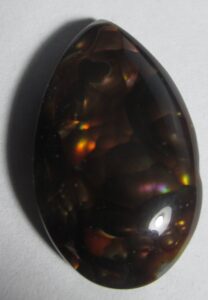
The Heart in the Stone
photographs by Ed Clay
I am a cutter and I call myself a Lapidary Artisan.
I will in this article speak of how to gain experience and what others will call being good at this craft.
Let’s start with learning how. You could do so alone but it will be difficult and slow; it is easier if you find others who can teach you the basics. I learned long ago in the Marine Corps Base hobby shop, but for those not in the military, a local Gem & Mineral club or lapidary group will likely have members that can help you get started.
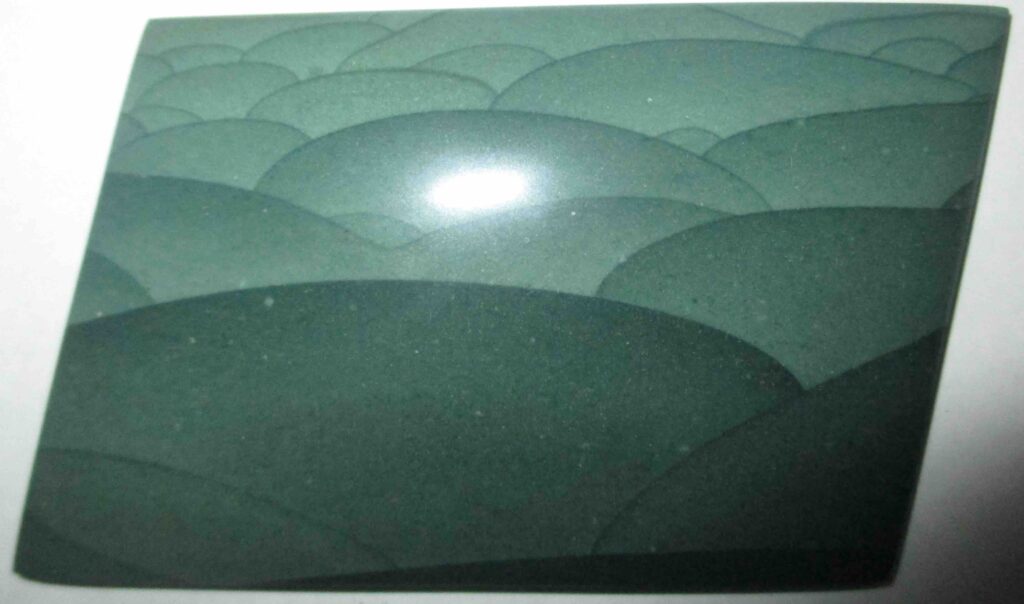
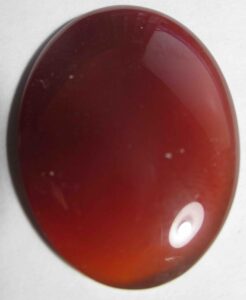
Likely you will be guided by such an individual to look at some cut slabs of rock material. Usually someone who is teaching a first timer will have them select from either Agate or Jasper slabs cut from larger rocks and guide the new lapidary to learn to judge whether the pieces they examine have flaws (cracks or vugs) or are dull in color or lack decorative pattern.
The next step would be for the new student to learn what a cutting template is: a metal or plastic sheet with sized holes usually measured in millimeters. Students are usually guided to cut first an oval shape, using a pointed brass or aluminum stylus to mark the shape.
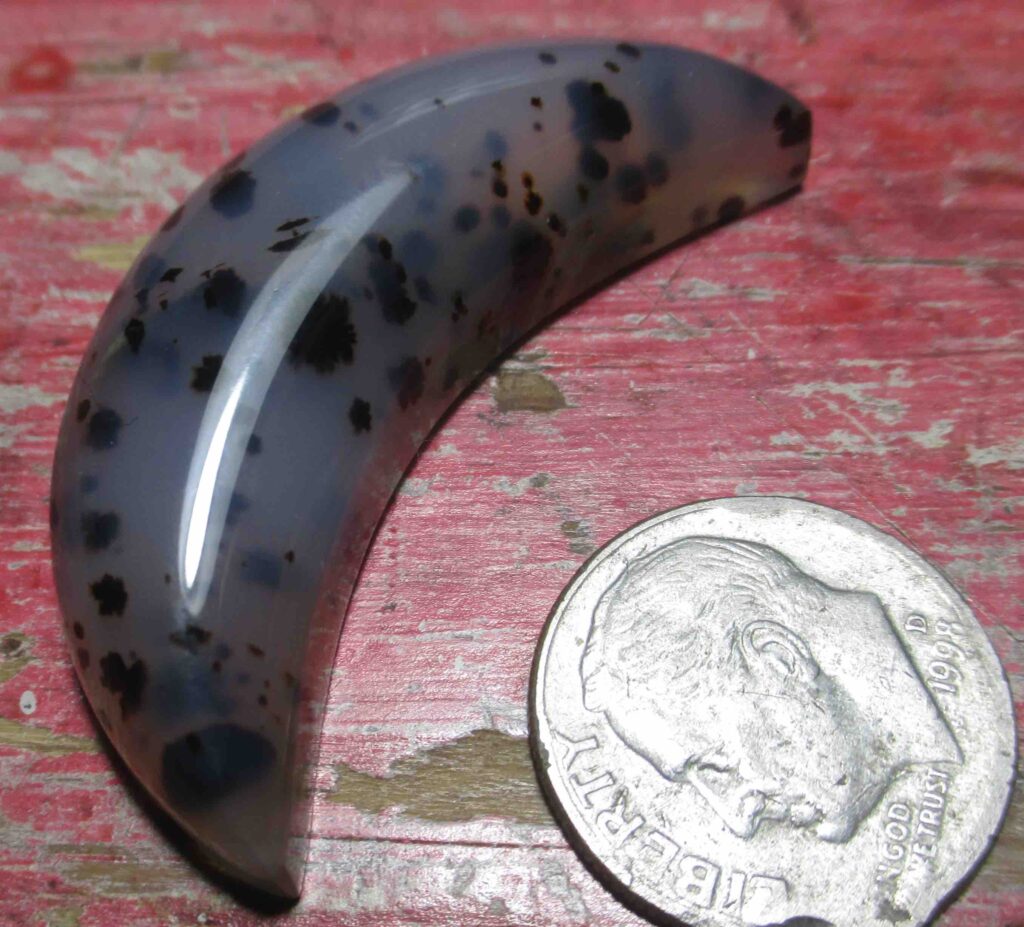
Once the slab is marked, the student will be shown how to use a trim saw and instructed to cut slightly outside the marked line. Remember, once ground or cut away, you cannot put stone back on. Often, the stone is then attached to a short length of wooden dowel called a dop stick, with heated dop wax. This allows for better control of the grinding and polishing activity.
Next the student is shown how to use a grinding stone or wheel, and sanding wheels. The normal process is to shape the stone with the most aggressive wheel a little outside the mark, then sand it closer and closer and begin to make the dome of the stone smoothly curved.
Such a flat-bottomed domed-top stone is called a Cabochon, no matter the outline shape (oval, round, square, rectangle, heart, cross, and many others).
To shape rock into something that others might call beautiful is to see the beauty the creator placed into the stone. Using the gift given to us to see this is the art and gift of lapidary.
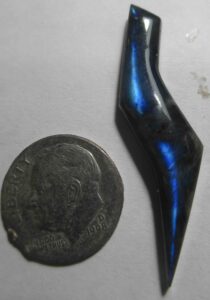
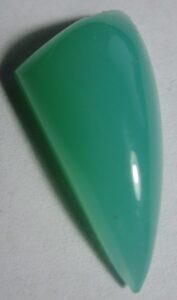
When learning the basics, the next step is to (breathe deeply) cut, cut, cut cut, cut and did I say cut? Practice is the honest and true answer.
Each time you pick up a piece of stone, mark it to choose a pattern, then shape, grind, and finally polish, you will, if your eyes, mind, and inner self are awake, learn better to efficiently shape and sand. You will begin to recognize the heart of each stone placed in it by the Creator and how to find that beauty and bring it out.
Many local societies have competitions which can aid learning. By allowing your efforts to be judged, you allow others to help you improve your skills. Beautiful stones may become jewelry or parts for decorative handmade objects, or simply be displayed to show your growing skills.
Finally, as my years gather and my time becomes shorter, I hope these words might permit others new to the hobby to see better what might be found in the Creators Gift.